
How Dental Implants Prevent Jawbone Loss
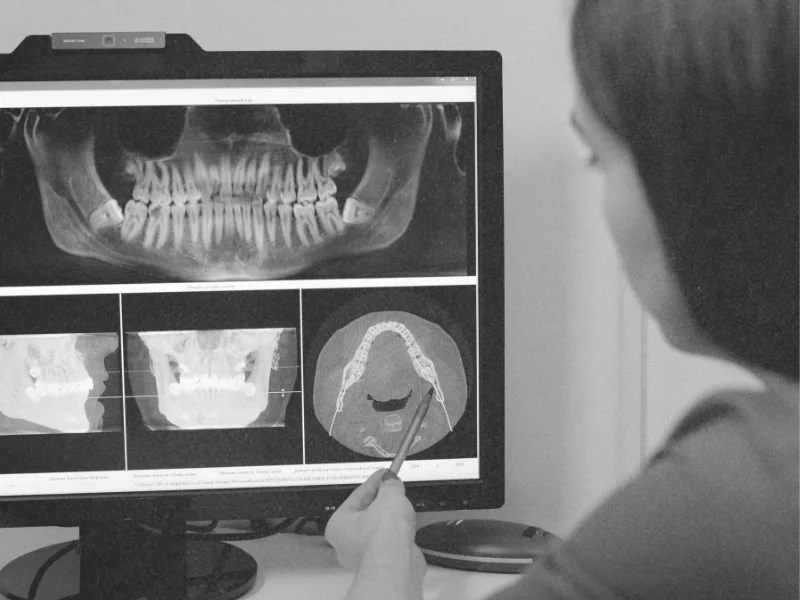
Dental implants are more than just a solution for missing teeth; they are also essential for preserving the health of your jawbone. For patients in Redding, CA, dental implants offer a unique advantage that other tooth replacement options, like dentures, cannot: they help stimulate and preserve the jawbone.
When teeth are lost, the bone in the jaw where the teeth once sat begins to weaken and shrink over time. This process, called bone resorption, is natural but can lead to a range of oral health issues. Fortunately, dental implants provide an innovative solution that mimics the function of natural tooth roots, helping to preserve and even rebuild the bone.
The Role of Jawbone in Oral Health
The jawbone is essential for several reasons. It supports the teeth and maintains the shape of your face, helping you chew and speak properly. When teeth are lost, the lack of stimulation from tooth roots causes the bone to deteriorate. This can result in:
A sunken appearance in the face: Jawbone loss can cause the cheeks to cave in, giving you a more aged look.
Shifting teeth: Without proper bone support, adjacent teeth may begin to shift into the empty spaces left by missing teeth, leading to bite misalignment.
Difficulty chewing: As the bone erodes, the remaining teeth may not be able to function effectively, which makes eating harder.
This is where dental implants come in.
How Dental Implants Stimulate the Jawbone
Dental implants are unique because, unlike traditional dentures or bridges, they are placed directly into the jawbone. A titanium post is surgically embedded into the bone, where it fuses with the bone tissue through a process called osseointegration. This fusion between the implant and the bone acts just like a natural tooth root, stimulating the bone to regenerate and stay strong.
This stimulation is crucial because it encourages the jawbone to maintain its density and volume, preventing the bone from resorbing. Essentially, dental implants mimic the role of natural tooth roots, keeping the bone healthy and intact.
Bone Grafting: A Solution for Insufficient Jawbone
In cases where the jawbone has already deteriorated due to long-term tooth loss, a bone graft may be necessary before dental implants can be placed. Bone grafting involves adding bone material to the affected area to build up the volume and density needed to support implants.
There are several types of bone grafting procedures:
Autografts: Bone taken from your own body, usually from a different part of the mouth or body.
Allografts: Donor bone from another person, which is processed and sterilized.
Xenografts: Bone from animals, typically cows, which is processed and used for bone regeneration.
Synthetic Bone Grafts: Artificial materials that encourage the growth of natural bone.
After the bone graft is performed, patients will need some time for healing before the implants can be placed. The good news is that bone grafting combined with dental implants often results in a stronger, healthier jawbone that can better support the implant.
The Long-Term Benefits of Dental Implants for Jawbone Health
The primary benefit of dental implants is the prevention of bone loss. By integrating into the jaw, dental implants help preserve the jawbone and prevent it from deteriorating. Here are the long-term benefits:
Preservation of Facial Structure: Dental implants prevent the sunken appearance that often occurs after tooth loss by maintaining the shape and volume of your jaw.
Improved Chewing Function: With implants, you can chew food properly without worrying about the instability of traditional dentures.
Better Oral Health: The surrounding teeth won’t shift, and you’ll maintain a stable bite, which helps prevent additional dental problems down the road.
Conclusion: Dental Implants and Bone Health
If you’re concerned about bone loss in your jaw, dental implants can be the solution to help restore your smile and protect your oral health. At North State Dental in Redding, we specialize in providing comprehensive solutions, from initial consultations and bone grafting to the placement of All-on-4 implants and other full-mouth restorations. Our goal is to not only give you a beautiful smile but also to ensure the health and longevity of your jawbone.
If you're considering dental implants or have questions about how they can help with bone loss, contact us today to schedule a consultation. We’re here to help you understand all your options and get you back to smiling with confidence!